




How to repair damaged wind energy gearbox gears?
 Nov 04, 2026|
Repairing damaged wind energy gearbox gears is a critical process that ensures the long - term and efficient operation of wind turbines. As a Wind Energy Gearbox Gears supplier, I have witnessed firsthand the importance of proper gear repair in the wind energy industry. In this blog, I will share some key steps and considerations on how to repair damaged wind energy gearbox gears.
Understanding the Types of Gear Damage
Before starting the repair process, it is essential to understand the different types of damage that wind energy gearbox gears can suffer. The most common types of damage include wear, pitting, scoring, and fatigue cracks.
Wear is a gradual process that occurs due to the continuous contact between gear teeth. Over time, the material on the gear surface is removed, which can lead to a change in the gear's shape and performance. Pitting, on the other hand, is the formation of small pits on the gear surface. This is often caused by high contact stresses and can reduce the load - carrying capacity of the gear. Scoring is a more severe form of damage where deep grooves are formed on the gear surface due to metal - to - metal contact. Fatigue cracks can develop over time due to cyclic loading, and if not addressed, can lead to gear failure.
Inspection and Diagnosis
The first step in the repair process is a thorough inspection of the damaged gears. This involves visual inspection, non - destructive testing (NDT), and dimensional measurement. Visual inspection can reveal obvious signs of damage such as cracks, pitting, and scoring. NDT methods such as ultrasonic testing, magnetic particle testing, and dye penetrant testing can be used to detect internal defects that are not visible to the naked eye. Dimensional measurement helps to determine the extent of wear and whether the gear still meets the required specifications.
Once the damage has been identified, it is important to diagnose the root cause. This could be due to factors such as improper lubrication, misalignment, overloading, or manufacturing defects. Understanding the root cause is crucial as it helps to prevent similar damage from occurring in the future.
Repair Techniques
1. Gear Tooth Repair
For minor wear and pitting, gear tooth repair can be carried out. This involves removing the damaged material and then building up the tooth surface using techniques such as welding or thermal spraying. Welding is a common method where a filler material is added to the damaged area and then machined to the correct shape. Thermal spraying involves depositing a coating of material onto the gear surface to restore its dimensions and properties.

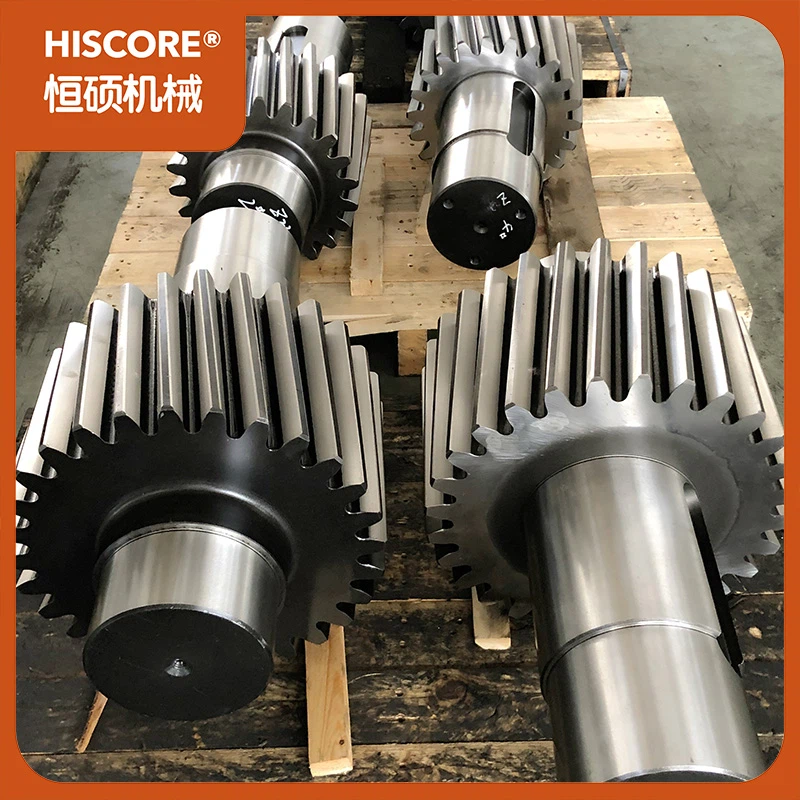
2. Gear Re - machining
If the damage is more severe, gear re - machining may be necessary. This involves removing the damaged parts of the gear and then re - machining the gear to its original specifications. This process requires high - precision machining equipment and skilled operators to ensure that the gear is machined accurately.
3. Gear Replacement
In some cases, the damage may be too severe to repair, and gear replacement is the only option. When replacing gears, it is important to ensure that the new gears are of the correct specification and quality. As a Wind Energy Gearbox Gears supplier, we offer a wide range of high - quality Wind Energy Gearbox Gears that are designed to meet the strict requirements of the wind energy industry.
Importance of Quality Control
Quality control is an integral part of the gear repair process. After the repair or replacement, the gears should be thoroughly inspected to ensure that they meet the required standards. This includes dimensional inspection, hardness testing, and surface finish inspection. Quality control helps to ensure the reliability and performance of the repaired gears.
Lubrication and Maintenance
Proper lubrication is essential for the long - term performance of wind energy gearbox gears. After the repair, it is important to use the correct lubricant and ensure that the lubrication system is functioning properly. Regular maintenance, including oil changes and inspection of the lubrication system, can help to prevent future damage.
Cost - Benefit Analysis
When deciding whether to repair or replace damaged gears, a cost - benefit analysis should be carried out. The cost of repair includes the cost of materials, labor, and testing. The cost of replacement includes the cost of the new gear and the installation cost. In some cases, repair may be more cost - effective, especially for minor damage. However, for severe damage, replacement may be the better option in the long run.
The Role of a Supplier
As a Wind Energy Gearbox Gears supplier, we play a crucial role in the repair process. We can provide high - quality gears that are suitable for repair or replacement. Our Wind Power Gearbox Gear Shaft is designed to meet the high - precision requirements of wind energy gearboxes. We also offer technical support and advice to our customers on gear repair and maintenance.
Conclusion
Repairing damaged wind energy gearbox gears is a complex but necessary process. By understanding the types of damage, carrying out proper inspection and diagnosis, using appropriate repair techniques, and ensuring quality control, we can extend the lifespan of wind energy gearbox gears and improve the efficiency of wind turbines.
If you are in need of high - quality Wind Energy Gearbox Gears or have any questions about gear repair and maintenance, please feel free to contact us for further discussion and potential procurement. We are committed to providing the best solutions for your wind energy gearbox needs.