




What are the fatigue differences between on - shore and off - shore wind energy gearbox gears?
 May 20, 2026|
What are the fatigue differences between on - shore and off - shore wind energy gearbox gears?
As a supplier of Wind Energy Gearbox Gears, I have witnessed firsthand the unique challenges and requirements presented by both on - shore and off - shore wind energy projects. One of the most critical aspects in the performance of wind turbines is the fatigue of gearbox gears, and there are significant differences between on - shore and off - shore applications.
On - shore Wind Energy Gearbox Gears Fatigue
On - shore wind farms are more accessible compared to their off - shore counterparts. The environment in which on - shore wind turbines operate typically has relatively stable temperature and humidity conditions. However, this does not mean that on - shore gearbox gears are free from fatigue issues.
The wind speed on land is often more variable due to the presence of terrain features such as hills, trees, and buildings. These obstacles can cause turbulence, which leads to fluctuating loads on the gearbox gears. The gears in on - shore wind turbines experience cyclic loading as the wind speed changes, and this can result in fatigue damage over time.
The most common type of fatigue in on - shore gearbox gears is bending fatigue. The teeth of the gears are subjected to repeated bending forces as they transmit torque from the low - speed shaft to the high - speed shaft. Over a long period, micro - cracks can form at the root of the gear teeth, and these cracks can propagate under continued loading. Eventually, the gear teeth can break, leading to a catastrophic failure of the gearbox.
Another factor contributing to fatigue in on - shore gearbox gears is the quality of lubrication. In on - shore wind farms, the gearboxes are more exposed to dust and debris. If the lubrication system fails to filter out these contaminants effectively, the abrasive particles can cause wear on the gear surfaces, accelerating the fatigue process. Additionally, the temperature variations on land can affect the viscosity of the lubricant, reducing its effectiveness in reducing friction and wear.
Maintenance is relatively easier for on - shore wind turbines. Technicians can access the gearboxes more quickly, allowing for regular inspections and timely replacement of worn - out components. However, the cost of maintenance still adds up over the lifespan of the turbine, and fatigue - related failures can lead to significant downtime and loss of power generation.
Off - shore Wind Energy Gearbox Gears Fatigue
Off - shore wind farms are located in the open sea, where the wind resources are generally more abundant and consistent. However, the operating environment for off - shore wind turbines is much harsher than on - shore ones.
The most prominent factor affecting the fatigue of off - shore gearbox gears is the corrosive environment. The saltwater in the ocean can cause corrosion on the gear surfaces, which weakens the material and makes it more susceptible to fatigue. Corrosion can start as surface pitting, and as it progresses, it can lead to the formation of cracks. These cracks can then propagate under the cyclic loading of the gears, resulting in premature fatigue failure.
The waves and sea currents in the off - shore environment also introduce additional dynamic loads on the wind turbines. The movement of the turbine structure due to waves can cause misalignment between the gears in the gearbox. This misalignment leads to uneven loading on the gear teeth, increasing the stress and accelerating fatigue. Moreover, the high - energy waves can cause shock loads on the gearbox, which are much more severe than the normal cyclic loads and can cause sudden damage to the gears.
The temperature variations in the off - shore environment are less extreme compared to on - shore, but the high humidity and condensation can also affect the lubrication system. The moisture can mix with the lubricant, reducing its lubricating properties and increasing the risk of corrosion and wear.
Maintenance of off - shore wind turbines is extremely challenging and costly. The turbines are often located far from the shore, making it difficult and time - consuming for technicians to reach them. Weather conditions such as storms and high winds can further delay maintenance activities. As a result, the detection and repair of fatigue - related issues in off - shore gearbox gears are often delayed, which can lead to more severe damage and higher repair costs.
Comparison of Fatigue Mechanisms
When comparing the fatigue differences between on - shore and off - shore wind energy gearbox gears, it is clear that both environments have their own unique challenges.
In terms of the type of fatigue, on - shore gears are more prone to bending fatigue due to the variable wind speeds and terrain - induced turbulence. Off - shore gears, on the other hand, are more likely to suffer from corrosion - induced fatigue due to the harsh marine environment.
The rate of fatigue development also differs. In on - shore wind turbines, the fatigue process is relatively slow, and it is often related to the cumulative effect of cyclic loading. In off - shore turbines, the combination of corrosive environment, dynamic loads from waves, and difficult maintenance conditions can lead to a much faster rate of fatigue development.
The cost implications of fatigue are also different. On - shore, the cost of maintenance is relatively lower, but the frequent inspections and component replacements still add to the overall cost of operation. Off - shore, the cost of maintenance is extremely high, and the long - term cost of dealing with fatigue - related failures can be a significant determinant of the economic viability of an off - shore wind project.
Our Solutions as a Supplier
As a Wind Energy Gearbox Gears supplier, we understand the unique fatigue challenges faced in both on - shore and off - shore applications. For on - shore projects, we offer gears with high - strength materials and advanced heat - treatment processes to enhance their resistance to bending fatigue. Our gears are designed to withstand the variable loads caused by on - shore wind conditions.
We also provide high - quality lubrication systems and filtration solutions to ensure that the gears are well - lubricated and protected from contaminants. Additionally, we offer regular maintenance support to help our customers detect and address fatigue - related issues at an early stage.

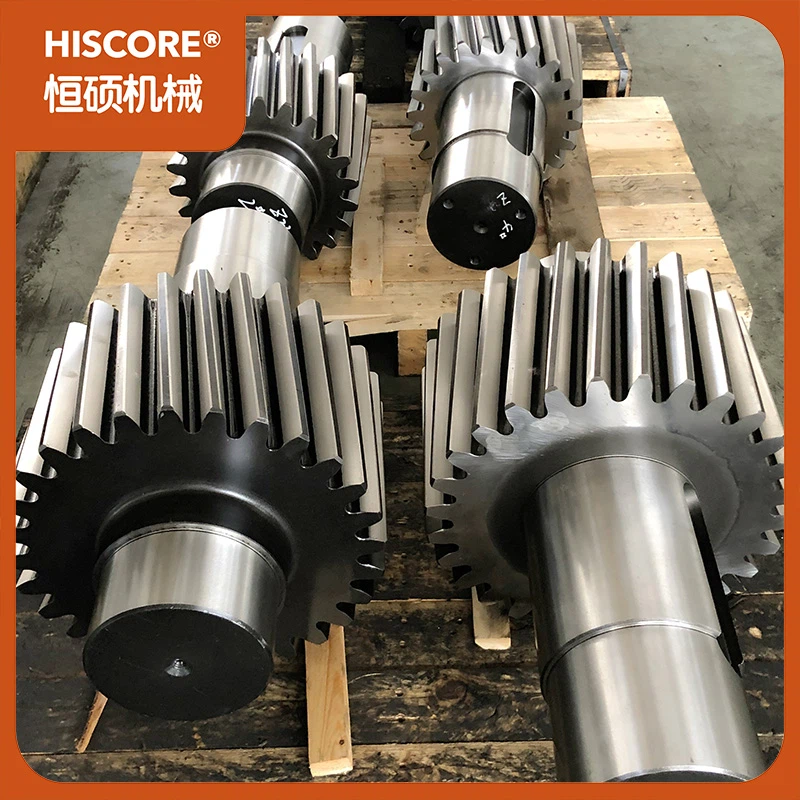
For off - shore projects, we use corrosion - resistant materials such as stainless steel and special coatings to protect the gears from the harsh marine environment. Our Wind Power Gearbox Gear Shaft is designed to be more robust and resistant to misalignment caused by waves and sea currents. We also work closely with our customers to develop maintenance strategies that take into account the challenges of off - shore access.
Conclusion and Call to Action
In conclusion, the fatigue differences between on - shore and off - shore wind energy gearbox gears are significant, and they are mainly influenced by the operating environment, load conditions, and maintenance accessibility. As a leading supplier in the wind energy gearbox gears industry, we are committed to providing high - quality products and solutions to meet the specific needs of both on - shore and off - shore wind projects.
If you are involved in a wind energy project and are looking for reliable and high - performance Wind Energy Gearbox Gears or Wind Power Gearbox Gear Shaft, we invite you to contact us for procurement and further discussions. Our team of experts is ready to assist you in finding the best solutions for your project.