




What are the lubricant types suitable for wind energy gearbox gears?
 Nov 12, 2026|
If you've ever stood beneath a sprawling wind turbine watching its blades spin in steady rhythm, you might not be thinking about the tiny, hardworking components that make that rotation possible. But inside the turbine's nacelle, nestled between the blades and the generator, is a gearbox that turns the slow, meager spin of the blades (around 10 to 20 rotations per minute) into the fast, powerful rotation the generator needs to produce electricity (1,000 to 1,800 rotations per minute). At the heart of this gearbox are the gears-interlocking metal discs that bear immense, constant load, operate in harsh, often extreme conditions, and demand precision engineering to avoid failure. As a supplier of wind energy gearbox gears, I've spent years working with operators and maintenance teams to understand one of the most critical, yet often overlooked, elements of their reliability: the right lubricant. Choosing the wrong lubricant doesn't just hurt efficiency-it can shorten gear life by years, leading to costly unplanned downtime, and that's the last thing any wind farm operator wants when every hour of production matters.
Wind turbine gearboxes operate in environments that are far from ideal. Most onshore turbines are located in open fields, coastal areas, or hilly regions, where temperatures can swing from -40°F in winter to 120°F in summer, and offshore turbines face even harsher conditions: salt spray, high humidity, and constant exposure to corrosive elements. The gears inside have to handle variable loads-high winds mean higher torque, while lulls mean intermittent stress-and they operate at different speeds depending on wind conditions. That's why generic lubricants just don't cut it. They break down under extreme heat or cold, leave metal surfaces unprotected against corrosion, or wear out too quickly under heavy load. Over my career supporting clients with their gear needs, I've seen how the right lubricant paired with high-quality, precision-engineered gears can extend gearbox life by 20% or more, and how a mismatched lubricant can lead to pitting, scuffing, or even full gear failure in just a few years. If you're in the market for reliable gears, you can explore our range at /high-precision-gears/wind-energy-gearbox-gear/wind-energy-gearbox-gears.html to pair with the right lubrication strategy.
So, what types of lubricants are actually suitable for wind energy gearbox gears? Let's break down the main options, their pros and cons, and when each makes the most sense.
The first, and most widely used, type is polyalphaolefin (PAO) synthetic gear oil. PAO oils are man-made hydrocarbons, designed to have a consistent molecular structure that outperforms conventional mineral oils in almost every metric relevant to wind turbine gears. Their biggest advantage is their viscosity stability across temperature extremes-unlike mineral oils, which thin out in heat and thicken in cold, PAO oils maintain their viscosity even at -50°F or 250°F, which is perfect for turbines operating in Arctic winters or desert heat. They also have excellent oxidation resistance, meaning they don't break down as quickly when exposed to high temperatures and metal friction. For onshore and offshore turbines alike, PAO oils are a go-to for most standard gearbox applications. They handle the variable torque loads that come with gusty winds, reduce friction between interlocking gear teeth, and form a strong protective film that prevents wear. I've recommended PAO oils to clients operating in regions with extreme seasonal temperature swings, and we've seen a marked reduction in gear pitting and wear when paired with our precision-machined gears. For anyone looking for a reliable all-around option, PAO synthetic gear oil is a safe bet. If you're looking to upgrade your gear components to match this lubricant's performance, check out our wind power gearbox gear shaft at /high-precision-gears/wind-energy-gearbox-gear/wind-power-gearbox-gear-shaft.html.
Next up is polyalkylene glycol (PAG) synthetic gear oil, a more specialized option that's ideal for high-load, high-temperature applications. PAG oils are polar, meaning they bond strongly to metal surfaces-something PAO and mineral oils can't do as effectively. That means they form an incredibly tenacious lubrication film between gear teeth, even under extreme pressure, which prevents scuffing and wear when gears are under maximum torque, like during strong wind events. PAG oils also have a high viscosity index and excellent thermal stability, so they don't break down even in temperatures above 300°F, making them a great choice for turbines in hot climates or for gearboxes that run at higher operating speeds. But PAG oil isn't for everyone-its main drawback is compatibility. It can't be mixed with mineral or PAO oils, and it can damage seals or gaskets that are designed for other lubricants. Switching to PAG requires a full flush of the gearbox, which adds upfront cost and downtime. That's why I usually recommend PAG only for turbines operating in consistently high temperatures or under very high load, like offshore turbines that are constantly exposed to wind and salt stress. For operators with moderate conditions, the extra cost and compatibility work of PAG often don't justify the benefits, but for those in harsh environments, it's worth the investment.

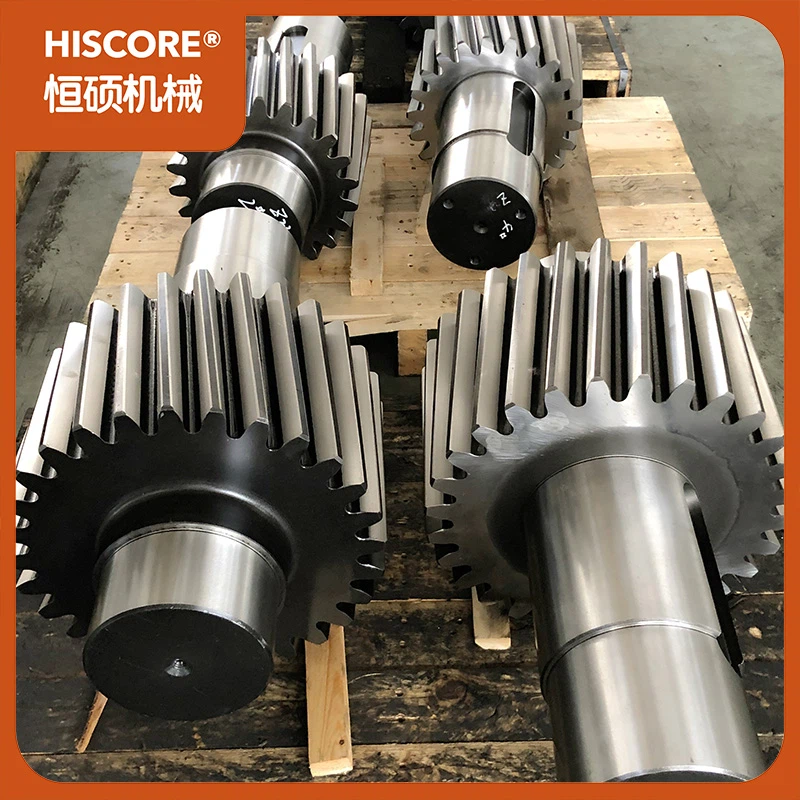
A third category is conventional mineral gear oil, but here's the thing: I almost never recommend this for modern wind turbine gearboxes. Mineral oils are refined from crude oil, and they have inconsistent molecular structures, which means their viscosity changes drastically with temperature. In cold weather, they thicken so much that the gearbox has to work harder to spin, leading to increased wear and reduced efficiency. In hot weather, they thin out, so the lubricant film breaks down, leaving gears unprotected. Mineral oils also oxidize quickly, forming sludge and deposits that can clog gearbox components over time. While mineral oil is cheap upfront, it needs to be changed every 1 to 2 years-compared to 3 to 5 years for synthetic oils-leading to higher long-term maintenance costs, and the gear life is often 30 to 40% shorter than with synthetic lubricants. For older, smaller turbines that only operate in mild climates, mineral oil might be a stopgap, but for new installations or turbines looking to extend their life and reduce downtime, synthetic lubricants are the clear choice.
Beyond these three main types, there are also specialty lubricants for specific applications, like wind turbines with wind power gearbox gear shaft or gears designed for extreme conditions. For example, there are gear oils with anti-corrosion additives, which are critical for offshore turbines exposed to salt water. Salt can eat away at metal gear surfaces, leading to premature rust and wear, so these oils have extra rust and oxidation inhibitors that form a protective barrier. There are also biodegradable lubricants for turbines located in sensitive environments, like national parks or coastal areas where leaks could harm wildlife. These lubricants break down naturally in the environment, but they still need to offer the same load protection and temperature stability as standard synthetics, which requires specialized formulation.
But choosing the right lubricant is only half the battle-it's also about applying it correctly. Even the best lubricant won't perform well if it's not monitored or maintained. For example, lubricant viscosity can change over time as it breaks down, so regular oil analysis is critical to catch issues before they lead to gear failure. I work with clients to set up maintenance schedules that include oil testing every 6 months, checking for signs of oxidation, contamination, or wear particles. Contamination is another big issue-wind farms have a lot of dust, dirt, and water, which can get into the gearbox and mix with the lubricant, causing abrasive wear on gears. That's why proper sealing and regular filter changes are just as important as choosing the right oil.
As a supplier of wind energy gearbox gears, I see firsthand how small choices-like the lubricant you use-add up to big impacts on reliability. A turbine that runs on PAO synthetic oil, paired with high-precision gears, might only need a major gear overhaul every 15 to 20 years, while one using mineral oil might need it every 8 to 10 years. For a wind farm with dozens of turbines, that difference means millions of dollars in revenue lost to downtime, plus higher maintenance costs. That's why I always work with clients to assess their specific conditions: where their turbines are located, the average temperatures, the load they handle, and their maintenance budget, to recommend not just the right gears, but the right lubrication strategy to go with them.
If you're in need of high-quality gears to pair with your lubrication plan, we offer a range of components, from shafts to full gear sets, engineered to withstand the demanding conditions of wind energy applications. Our precision machining ensures tight tolerances, which work seamlessly with the right lubricant to reduce friction and extend gear life. To learn more about our products or to discuss your gearbox needs and lubrication options, feel free to reach out to our team for a consultation tailored to your operations.