




What are the noise reduction measures for a wind power gearbox gear shaft?
 Aug 01, 2026|
As a supplier of Wind Power Gearbox Gear Shaft, I've witnessed firsthand the challenges and importance of noise reduction in wind power gearboxes. The noise generated by wind power gearbox gear shafts can have several negative impacts, including environmental pollution, reduced equipment lifespan, and discomfort for nearby residents. In this blog, I'll explore the various noise reduction measures for a wind power gearbox gear shaft.
Understanding the Sources of Noise in Wind Power Gearbox Gear Shafts
Before delving into the noise reduction measures, it's crucial to understand the sources of noise in wind power gearbox gear shafts. The primary sources of noise include:

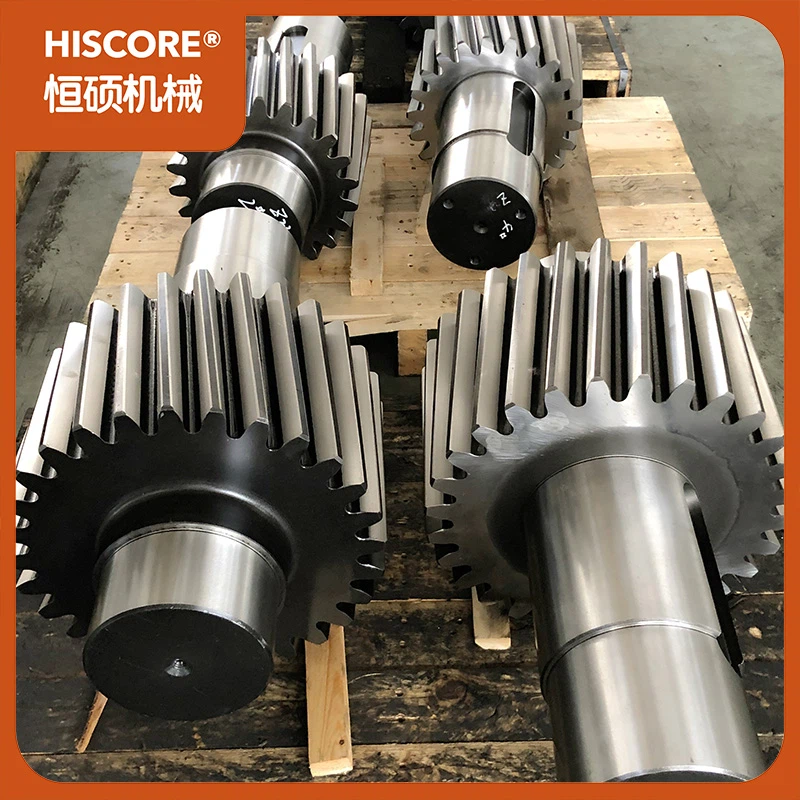
- Gear Mesh Noise: This is the most common source of noise in gearboxes. It occurs when the teeth of the gears mesh together, causing vibrations and noise. The magnitude of gear mesh noise depends on factors such as the gear design, tooth profile, and operating conditions.
- Bearing Noise: Bearings support the gear shafts and allow them to rotate smoothly. However, they can also generate noise due to factors such as misalignment, wear, and lubrication issues.
- Structural Vibration Noise: The gearbox housing and other structural components can vibrate when the gear shafts are in operation. These vibrations can radiate noise into the surrounding environment.
Noise Reduction Measures
1. Gear Design Optimization
- Tooth Profile Modification: By modifying the tooth profile of the gears, we can reduce the impact and friction between the teeth during meshing. For example, using a modified involute tooth profile or a helical gear design can help to distribute the load more evenly and reduce gear mesh noise. A well - designed tooth profile can also minimize the generation of high - frequency vibrations.
- Gear Material Selection: Choosing the right gear material is essential for noise reduction. Materials with good damping properties, such as some alloy steels, can absorb vibrations and reduce noise. Additionally, materials with high hardness and wear resistance can maintain the gear's performance over time, reducing the noise caused by wear.
2. Bearing Selection and Maintenance
- High - Quality Bearings: Selecting high - quality bearings with low noise characteristics is crucial. Bearings with precision manufacturing and proper lubrication can reduce the noise generated by the rotation of the gear shafts. For example, using angular contact ball bearings or cylindrical roller bearings with optimized internal clearances can improve the smoothness of rotation and reduce noise.
- Regular Maintenance: Regular maintenance of the bearings is necessary to ensure their proper functioning. This includes lubrication, inspection for wear and damage, and proper alignment. A well - maintained bearing will operate more quietly and have a longer lifespan.
3. Vibration Damping
- Vibration Isolation Mounts: Installing vibration isolation mounts between the gearbox and its foundation can help to reduce the transmission of vibrations from the gearbox to the surrounding structure. These mounts are typically made of rubber or other elastic materials that can absorb and dampen vibrations.
- Damping Materials: Applying damping materials to the gearbox housing and other structural components can also help to reduce noise. Damping materials, such as viscoelastic polymers, can convert the vibrational energy into heat, thereby reducing the intensity of the vibrations and the resulting noise.
4. Lubrication
- Proper Lubricant Selection: Using the right lubricant is essential for noise reduction in wind power gearbox gear shafts. A high - quality lubricant can reduce friction between the gears and bearings, which in turn reduces noise. Lubricants with good anti - wear and anti - foam properties can also help to maintain the performance of the gearbox and reduce noise.
- Lubrication System Design: Designing an efficient lubrication system is also important. The lubrication system should ensure that the gears and bearings are properly lubricated at all times. This may include features such as oil pumps, filters, and cooling systems to maintain the quality and temperature of the lubricant.
5. Enclosure Design
- Sound - Proof Enclosures: Constructing a sound - proof enclosure around the gearbox can significantly reduce the noise emitted into the surrounding environment. The enclosure should be made of materials with good sound - absorbing properties, such as acoustic panels. The design of the enclosure should also ensure proper ventilation to prevent overheating of the gearbox.
- Sealing: Proper sealing of the enclosure is crucial to prevent the leakage of noise. Seals should be used around all openings, such as access doors and cable entries, to ensure that the sound is contained within the enclosure.
The Role of Technology in Noise Reduction
Advancements in technology have also played a significant role in noise reduction for wind power gearbox gear shafts. For example, the use of computer - aided design (CAD) and finite element analysis (FEA) allows for more accurate gear design and optimization. These tools can simulate the performance of the gears under different operating conditions and help to identify potential sources of noise.
In addition, the development of smart sensors and monitoring systems has made it possible to detect and diagnose noise - related issues in real - time. These sensors can measure parameters such as vibration, temperature, and lubricant quality, and provide early warnings of potential problems. By addressing these issues promptly, we can prevent the development of more severe noise problems and improve the overall performance of the wind power gearbox.
Conclusion
Noise reduction in wind power gearbox gear shafts is a complex but essential task. By implementing a combination of gear design optimization, bearing selection and maintenance, vibration damping, lubrication, and enclosure design, we can significantly reduce the noise generated by wind power gearboxes. As a supplier of Wind Power Gearbox Gear Shaft, we are committed to providing high - quality products that incorporate these noise reduction measures.
If you are in the market for wind power gearbox gear shafts or other Wind Energy Gearbox Gears, we invite you to contact us for a detailed discussion. Our team of experts can help you select the right products for your specific needs and provide you with the support and guidance you need to ensure the quiet and efficient operation of your wind power systems.