




What are the wear mechanisms of wind energy gearbox gears?
 Sep 09, 2026|
Hey there! As a supplier of Wind Energy Gearbox Gears, I've seen firsthand the challenges these gears face in the harsh environment of wind energy applications. In this blog, I'm gonna dive into the wear mechanisms of wind energy gearbox gears, so you can understand what's going on inside those crucial components.
1. Abrasive Wear
Abrasive wear is one of the most common wear mechanisms in wind energy gearbox gears. It occurs when hard particles, such as dust, sand, or metal debris, get into the gear mesh. These particles act like tiny cutting tools, scraping away the surface material of the gears.
In a wind turbine, the gears are exposed to the elements, and it's not uncommon for dust and sand to find their way into the gearbox. Even the smallest particles can cause significant damage over time. The abrasive wear can lead to a decrease in gear efficiency, increased noise, and eventually, gear failure.
To combat abrasive wear, we use high - quality materials for our Wind Energy Gearbox Gears. We also implement effective filtration systems in the gearbox to prevent particles from entering the gear mesh. Regular maintenance and inspection are also crucial to catch any signs of abrasive wear early.
2. Adhesive Wear
Adhesive wear happens when two surfaces in contact stick together and then tear apart. In the context of wind energy gearbox gears, this can occur due to high contact pressures and insufficient lubrication.
When the gears are in operation, the high - pressure contact between the teeth can cause the surface asperities to weld together. As the gears move, these welded points are sheared off, resulting in material transfer between the gear teeth. This can lead to pitting, scoring, and even galling on the gear surfaces.
To prevent adhesive wear, proper lubrication is key. We recommend using high - performance lubricants that can withstand the high pressures and temperatures in the gearbox. The lubricant forms a thin film between the gear teeth, reducing friction and preventing direct metal - to - metal contact. Additionally, the design of the gears plays a role. We optimize the gear geometry to distribute the load evenly, reducing the risk of high - pressure points that can lead to adhesive wear.
3. Fatigue Wear
Fatigue wear is another significant wear mechanism in wind energy gearbox gears. It occurs due to the repeated loading and unloading of the gear teeth during operation. Over time, the cyclic stresses can cause cracks to form on the gear surface.
The wind turbine operates in a dynamic environment, with varying wind speeds and loads. This means that the gears are constantly subjected to changing forces. As the cracks propagate, they can lead to spalling, where small pieces of material break off from the gear surface. Eventually, this can result in gear failure.
To address fatigue wear, we use advanced materials with high fatigue resistance. We also perform detailed stress analysis during the design phase to ensure that the gears can withstand the expected cyclic loads. Regular inspection using non - destructive testing methods, such as ultrasonic testing, can help detect early signs of fatigue cracks.
4. Corrosive Wear
Corrosive wear is a concern, especially in offshore wind turbines. The gears are exposed to a harsh marine environment, with high humidity, saltwater, and oxygen. These conditions can cause corrosion on the gear surfaces.
Corrosion can weaken the gear material, making it more susceptible to other wear mechanisms. For example, a corroded surface is more likely to experience abrasive wear because the protective oxide layer is damaged.
To prevent corrosive wear, we use corrosion - resistant materials and apply protective coatings to the gears. These coatings act as a barrier between the gear surface and the corrosive environment. Regular maintenance, including cleaning and inspection, is also important to detect and address any signs of corrosion early.
5. Surface Fatigue
Surface fatigue is closely related to fatigue wear but specifically refers to the damage that occurs on the surface of the gear teeth. It is caused by the repeated rolling and sliding contact between the gear teeth.

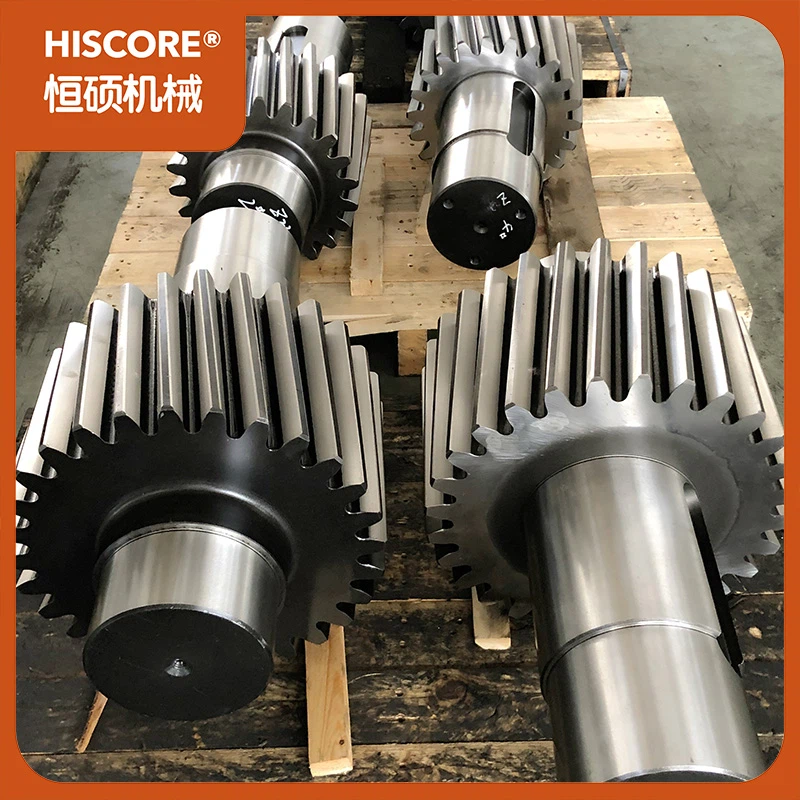
As the gears mesh, the contact stresses can cause micro - cracks to form on the surface. These cracks can propagate and eventually lead to pitting, which is the formation of small craters on the gear surface. Pitting can reduce the load - carrying capacity of the gears and increase noise and vibration.
To minimize surface fatigue, we optimize the gear tooth profile and surface finish. A smooth surface finish can reduce the stress concentration and improve the contact conditions between the gear teeth. We also use heat treatment processes to improve the surface hardness and fatigue resistance of the gears.
How Our Products Can Help
At our company, we understand the importance of addressing these wear mechanisms. Our Wind Energy Gearbox Gears are designed and manufactured to withstand the harsh conditions of wind energy applications.
We use state - of - the - art manufacturing processes and high - quality materials to ensure the durability and reliability of our gears. Our Wind Power Gearbox Gear Shaft is also engineered to work in harmony with the gears, providing a stable and efficient power transmission system.
If you're in the market for wind energy gearbox gears, we'd love to talk to you. Whether you're a wind turbine manufacturer or a maintenance service provider, our team of experts can help you find the right solution for your needs. Contact us to start a conversation about your requirements and how we can assist you in optimizing your wind energy gearbox performance.