




What materials are commonly used to make high - precision gears?
 Jul 16, 2026|
 Hey there! As a high-precision gears supplier, I've seen firsthand the importance of using the right materials to make top-notch gears. In this blog, I'm gonna share with you the materials that are commonly used in high-precision gear manufacturing.
Steel
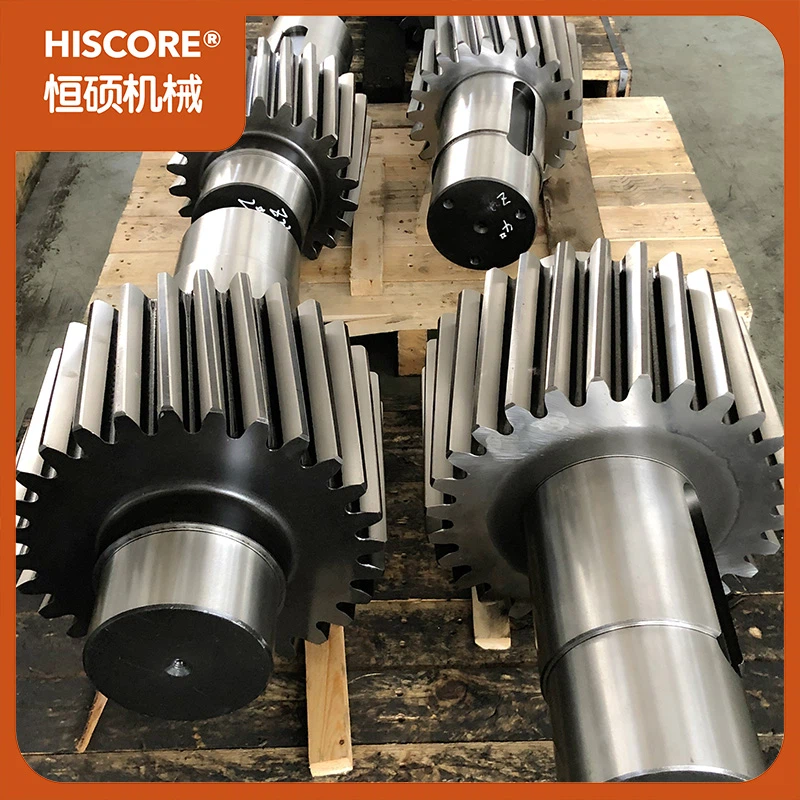
Steel is hands down the most popular material for high-precision gears. It's got a bunch of great properties that make it a top choice. First off, it's super strong. This means the gears can handle a lot of stress and torque without breaking or deforming. Whether it's in a small machine or a big industrial equipment, steel gears can take the heat.
There are different types of steel used in gear manufacturing. Alloy steels are often preferred because they can be heat-treated to improve their hardness and wear resistance. For example, 4140 steel is a common alloy steel used in high-precision gears. It has a good balance of strength, toughness, and machinability. After heat treatment, it can achieve a high level of hardness, which is crucial for gears that need to last a long time.
Another type of steel is stainless steel. It's great for applications where corrosion resistance is important. In industries like food processing or marine applications, stainless steel gears are a must. They won't rust or corrode easily, even in harsh environments.
Brass
Brass is another material that's commonly used in high-precision gears. It's a copper-zinc alloy, and it has some unique properties that make it suitable for certain applications. One of the main advantages of brass is its excellent machinability. It's easy to cut and shape, which means gears can be manufactured with high precision.
Brass gears also have good corrosion resistance, especially in non - aggressive environments. They're often used in instruments, small motors, and other applications where noise reduction is important. Brass has a relatively low friction coefficient, which helps to reduce noise and wear during operation.
Bronze
Bronze is an alloy of copper and tin, and it's been used for making gears for a long time. It has high strength and good wear resistance. Bronze gears are often used in heavy - duty applications where they need to withstand high loads and continuous use.
One of the key benefits of bronze is its self - lubricating properties. This means that it can operate with less friction and wear, even without external lubrication. In some industrial settings, this can be a huge advantage as it reduces maintenance requirements.
Plastics
Plastics have become increasingly popular in high - precision gear manufacturing in recent years. They offer several advantages over traditional materials. First of all, plastics are lightweight, which can be beneficial in applications where weight is a concern, such as in aerospace or automotive industries.

There are different types of plastics used for gears. For example, nylon is a common choice. It has good mechanical properties, including high strength and toughness. Nylon gears can be made with high precision and are often used in low - to medium - load applications.
Another plastic is polyoxymethylene (POM), also known as acetal. It has excellent dimensional stability and low friction, making it suitable for high - speed and precision applications. POM gears can be found in many consumer products, such as printers and small appliances.
Ceramics
Ceramics are a relatively new material in high - precision gear manufacturing. They offer some unique properties that make them attractive for certain applications. Ceramics are extremely hard and have high wear resistance. They can withstand high temperatures and are chemically inert, which means they won't react with most substances.
However, ceramics are also brittle, which can be a drawback. They need to be carefully designed and manufactured to avoid cracking or breaking. Ceramic gears are often used in high - performance applications, such as in aerospace and high - speed machinery.
Applications and Material Choices
Now, let's take a look at how these materials are used in different industries.
In the Wind Energy Gearbox Gears industry, steel is the dominant material. The gears in wind energy gearboxes need to be strong enough to handle the high torque and power generated by the wind turbines. Alloy steels are commonly used because they can be heat - treated to achieve the required hardness and strength.
For the Petrochemical Industry Gears, corrosion resistance is a major concern. Stainless steel and bronze are often used in this industry. Stainless steel can withstand the corrosive chemicals found in petrochemical plants, while bronze's self - lubricating properties are also an advantage in these high - load applications.
In the Wind Power Gearbox Gear Shaft applications, steel is again the main material. The gear shafts need to be strong and have good fatigue resistance to ensure long - term operation. Alloy steels are carefully selected and heat - treated to meet the strict requirements of wind power applications.
Conclusion
As you can see, there are several materials commonly used to make high - precision gears, each with its own unique properties and advantages. The choice of material depends on the specific application, including factors like load, speed, environment, and cost.
If you're in the market for high - precision gears and need help choosing the right material for your application, don't hesitate to reach out. We're here to provide you with the best solutions and high - quality gears. Whether you're in the wind energy, petrochemical, or other industries, we've got the expertise to meet your needs. Contact us for a detailed discussion and let's work together to find the perfect gears for your project.