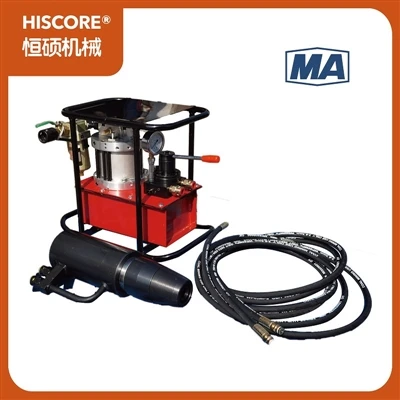
How to determine the wear level of Pneumatic Anchor Cable Tensioning
 Jun 05, 2026|
 I. Hydraulic System Status Inspection
1. Abnormal Pressure Performance: If the pressure rises slowly during tensioning, fails to reach the rated value, or fluctuates significantly, it may be due to internal leakage in the oil pump, valve blockage, or seal failure.
2. Oil Condition Observation: If the hydraulic oil is emulsified (milky white) or contains metal shavings, it indicates that water has entered the system or that internal wear is severe. Immediate replacement and investigation of the contamination source are necessary.
II. Key Component Wear Identification
1. Seals and Sealing Rings: Check for oil leaks at the jack piston rod and oil pump joints. If the sealing rings are deformed, extruded, or cracked due to aging, they are ineffective and need to be replaced.
2. High-Pressure Oil Hoses: Observe whether the outer rubber layer is cracked, bulging, or hardened. Abnormal noises when bending indicate aging of the hose and a risk of bursting.
3. Clamps and Claws: Check whether the clamp teeth are dull, chipped, or excessively worn. If the steel strand slips significantly or is not clamped tightly, replacement is necessary.
4. Piston Rod and Cylinder Body
Rust, scratches, or bending on the piston rod surface will accelerate seal wear, affecting coaxiality and tensioning accuracy.
III. Operational Performance and Data Comparison
1. Changes in Operating Feel
Difficulty in jack return, slow movement, or a feeling of jamming may be due to increased friction caused by internal wear.
2. Abnormal Noises
Sharp friction sounds or dull impact sounds during tensioning indicate damage to internal components or loose fits.
3. Historical Data Deviation
Compare the tension force, elongation, and other data with those from previous normal operations. Significant deviations that cannot be adjusted indicate a decline in equipment performance.
IV. Regular Inspection Recommendations
Every 3 Months: Conduct a comprehensive inspection of the seals, clamps, and oil pipes.
Every 6 Months: Have a professional inspect the accuracy of the oil pump valve body and pressure gauges.
Annually: Conduct a pressure test on the high-pressure oil pipes to ensure safety standards are met.